West Brompton Station Area: Quick Clean Checklist
Posted on 22/05/2026
If you need a space near West Brompton Station to look presentable fast, a clear plan beats frantic scrubbing every time. Whether you are preparing for guests, a handover, a viewing, or just want your flat to feel calmer after a busy week, a West Brompton Station Area: Quick Clean Checklist helps you focus on what people actually notice first: floors, surfaces, bathrooms, kitchen touchpoints, and the overall sense of order.
This guide breaks the process into a practical, local-friendly routine you can use in a studio, mansion flat, rental, family home, or small office near the station. It also explains where a quick clean is enough, where a deeper clean is smarter, and how to avoid the common shortcuts that leave a property looking "half done" rather than refreshed. If you want a broader look at service options, the services overview is a useful place to compare cleaning types before you decide what you need.
In a neighbourhood with a mix of commuters, professionals, landlords, and people on tight schedules, the best cleaning routine is the one that is fast, targeted, and realistic. Let's keep it that way.
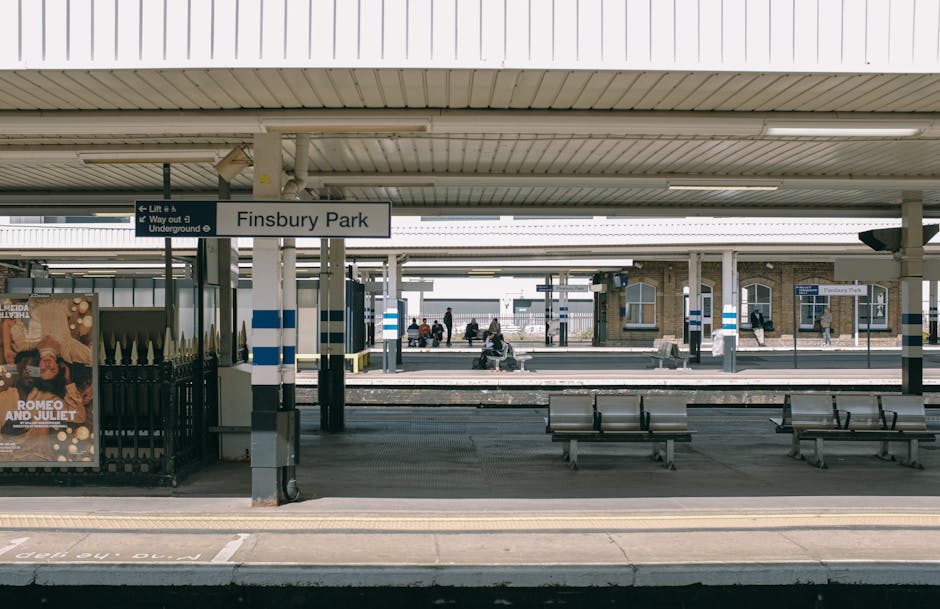
Why West Brompton Station Area: Quick Clean Checklist Matters
West Brompton is one of those areas where people often need results quickly. Commuting patterns, busy shared homes, short-notice visits, and rental turnovers can all create the same pressure: the property must look tidy now, not after a full weekend of cleaning. A quick clean checklist solves that problem by making the work visible and efficient.
It also helps you prioritise what matters most. When time is limited, you do not want to waste effort on low-impact tasks. A spotless skirting board is nice; a clean sink, clear hallway, and fresh-smelling bathroom are what most people notice first. Truth be told, many rushed cleans fail because they are thorough in the wrong places.
For local homeowners and tenants, this matters because the West Brompton area often sits at the intersection of high expectations and limited time. You might be getting a flat ready for a valuation, a tenant inspection, or a weekend guest. In nearby neighbourhoods like Brompton and Notting Hill, appearance and upkeep are part of how a home is perceived, which is why guides such as Brompton Road flat cleaning tips for SW3 homes can be especially useful if you are dealing with a similar property style or layout.
A quick clean checklist is also a confidence tool. Instead of wondering whether you forgot something obvious, you work through a predictable sequence and finish with a room that feels orderly. That calm, finished look is the real goal.
How West Brompton Station Area: Quick Clean Checklist Works
The simplest way to think about a quick clean is this: clean from the top of the room down, and from the most visible surfaces to the less visible ones. That means dusting high points first, then surfaces, then floors. It also means dealing with signs of use rather than trying to deep-clean every square inch.
A good quick-clean method usually follows three decisions:
- What is visible? Focus on the areas guests, tenants, or a buyer will see immediately.
- What creates the impression of dirt? Smudges, limescale, crumbs, sink marks, bin odours, and bathroom streaks tend to matter more than hidden dust.
- What can be improved quickly? Some things need specialist work, but many can be reset in minutes with the right sequence.
That sequence is what makes the checklist effective in the West Brompton Station area. You are not trying to do everything. You are trying to do the right things, in the right order, with minimal wasted movement.
If you are managing a property between tenants or getting ready for a move, the process becomes even more valuable. A structured approach helps you decide whether to book a standard domestic clean, an end of tenancy clean in W10, or a more targeted service like carpet cleaning in W10. Each option solves a different problem, and that distinction matters more than people think.
Key Benefits and Practical Advantages
A quick clean checklist is not just about speed. Done properly, it creates a better result with less stress. Here are the most practical advantages.
1. You get a visible improvement fast
That first pass through the home usually delivers the biggest visual change. Clear surfaces, clean taps, a fresh bin, and vacuumed floors instantly shift how a room feels. You do not need perfection to create impact.
2. You reduce last-minute panic
Without a checklist, people tend to bounce from room to room and repeat themselves. With a checklist, you move in order and finish more confidently. It is a small thing, but it makes the difference between a rushed scramble and a controlled reset.
3. You protect key finishes
Using the right cloths, sprays, and methods helps avoid scratches, streaks, and fabric damage. That matters in homes with polished surfaces, soft furnishings, or delicate materials. If you have velvet or other sensitive textiles, a specialist guide such as this curtain care article is a good reminder that not everything should be treated the same way.
4. You make rooms easier to maintain
A short, repeatable reset is easier to keep up than a heroic deep clean every few weeks. For busy households and small offices, that matters because consistency prevents grime from building into a much bigger job.
5. You can hand over, host, or inspect with more confidence
Whether the next step is a landlord visit, a guest arrival, or a sale viewing, the property feels more under control. That confidence is not cosmetic; it changes how you present the space.
Expert summary: The best quick clean is not the most energetic clean. It is the one that targets visible impact, uses a sensible order, and stops before you waste time polishing what no one will notice.
Who This Is For and When It Makes Sense
This checklist is useful for several different people, and the timing usually matters more than the property type.
- Tenants who need to tidy before an inspection or move-out visit.
- Homeowners who want to reset the property before guests arrive.
- Landlords and agents preparing a flat for viewings or new occupants.
- Busy professionals who commute through West Brompton and need a home that looks orderly without spending all evening on it.
- Small offices that need a quick refresh before meetings, client visits, or a Monday morning start.
It is especially useful when the property is already broadly clean, but the "lived-in" details are starting to show. Think fingerprints on glass, toothpaste marks in the bathroom, crumbs under the table, or the sort of kitchen surface that does not look dirty until the light hits it just right. Annoying, yes. Familiar, absolutely.
If you are comparing routine housekeeping with a more structured service, the pages for domestic cleaning in W10 and house cleaning in W10 can help you decide whether you need ongoing support or a one-off reset. For workspaces, office cleaning in W10 is the more relevant route.
There is also a local property angle worth mentioning. In areas with active rentals, sales, and move-ins, presentation affects decisions. That is one reason local guides like living in Brompton and local opinions and resident views on Notting Hill are useful context for understanding how much people notice the condition of a home.
Step-by-Step Guidance
Here is a practical routine you can follow in about 20 to 60 minutes, depending on property size and how much needs attention. The point is not speed for its own sake. The point is to make the work efficient.
Step 1: Open up the space
Start by opening a window if weather and security allow it. Fresh air helps reduce the stuffy feel that often makes a room seem less clean than it really is. Then remove obvious clutter: shoes, bags, cups, post, random items on surfaces. You are creating a clear working surface first.
Step 2: Gather everything you need
Collect your cloths, multipurpose cleaner, glass spray, disinfecting product for high-touch areas, mop or vacuum, bin bags, and bathroom wipes or scrubbing tools. Hunting for supplies mid-clean is how people lose momentum.
Step 3: Tackle the bathroom first if it is heavily used
The bathroom often changes the impression of a property fastest. Clean the sink, taps, toilet exterior, mirror, splash zones, and visible limescale. Replace hand towels if needed. Wipe the floor around the toilet and basin. If the room smells fresh and looks dry, you are already halfway there.
Step 4: Reset the kitchen
Clear the worktops, wipe handles, clean the sink, and deal with crumbs, spills, and appliance marks. Pay attention to the hob front, kettle base, microwave door, and fridge handles. These are the little details that betray a rushed clean.
Step 5: Clean visible surfaces in the main rooms
Dust tables, shelves, sideboards, and obvious ledges. Wipe fingerprints from glass and mirrors. Straighten cushions and throws. If the property has soft furnishings that hold dust or odours, a separate upholstery appointment can make a noticeable difference; see upholstery cleaning in W10 for a more targeted option.
Step 6: Vacuum or sweep thoroughly
Move from the furthest point toward the exit. Focus on corners, under visible furniture edges, and along skirting lines. In many homes, floors are what lock in the overall "clean" impression. A tidy room with dusty flooring still reads as unfinished.
Step 7: Finish with the entry area
The entrance sets the tone. Shake mats, wipe the handle, remove stray shoes, and make sure the floor is clear. In a station-area property, this is often the first place a guest or visitor sees, so it deserves a final pass.
Step 8: Walk back through once, slowly
Do one calm visual check. Look for smears, forgotten items, bin smells, loose hairs, and anything that interrupts the sense of order. This final walk-through is where many good cleans become great ones.
Expert Tips for Better Results
Small improvements in technique can save a surprising amount of time and effort. These are the habits that help a quick clean look properly finished.
- Clean in daylight where possible. Artificial light hides dust and streaks better than it should.
- Use two cloths, not one. One for grime, one for finishing. That simple switch reduces smearing.
- Let products sit briefly. A cleaner needs a moment to work, especially in bathrooms and kitchens. Rubbing too soon just spreads residue around.
- Prioritise touchpoints. Handles, switches, taps, and remotes create the strongest impression of cleanliness when they are fresh.
- Keep a small "reset box". Store cloths, spray, gloves, bin liners, and a lint roller together so you can start quickly.
- Match the method to the material. Wood, stone, glass, fabric, and stainless steel all behave differently. One spray-fits-all approach is convenient until it is not.
One useful rule of thumb: if a surface is high-touch and highly visible, it gets attention before decorative areas do. That sounds obvious, but in a hurry, people often reverse the order and end up with a room that is technically cleaner but still looks tired.
For local property owners who care about presentation, especially in flats or period homes, there is also value in understanding the wider area and property style. Articles such as what makes Brompton special from a local perspective and Notting Hill's homes and gardens show how setting and presentation often go hand in hand.

Common Mistakes to Avoid
A quick clean goes wrong in predictable ways. The good news is that most of them are easy to avoid once you know what to look for.
Skipping the preparation stage
If you begin cleaning before removing clutter, you will constantly work around objects. That slows everything down and makes the result look uneven.
Trying to deep-clean everything
A quick clean is not the same as a full restoration. If you spend 30 minutes on a single oven shelf, the rest of the property will suffer. Focus on broad visual improvement first.
Ignoring smells
Bins, drains, damp cloths, and stale laundry can undo the effect of an otherwise tidy room. Freshness is part of cleanliness. People notice it immediately, even if they do not say so out loud.
Forgetting the edges
Skirting boards, around taps, around sinks, and along floor edges are easy to miss. A quick clean does not require perfection, but these zones should not be obviously neglected.
Using too much product
More spray does not mean more clean. It often means streaks, residue, and wasted time wiping off what you just put on. Moderate application is usually better.
Cleaning in the wrong order
If you vacuum before dusting high shelves, you may simply re-drop dust onto the floor. Top-down and clean-to-dirty is the safer approach.
Sometimes the smartest move is to stop the quick clean and book a more complete service. If you are trying to recover a property after a busy tenancy or a larger gathering, a structured clean may make more sense than another rushed attempt.
Tools, Resources and Recommendations
You do not need a giant kit to make this checklist work. A compact, well-chosen set of tools is usually enough.
| Tool or Resource | Best Use | Why It Helps |
|---|---|---|
| Microfibre cloths | Dusting, wiping, finishing | Good for removing dust and reducing streaks |
| Multipurpose cleaner | Surfaces, tables, kitchen areas | Handles general grime quickly |
| Glass cleaner | Mirrors, glass tables, interior doors | Improves shine and removes fingerprints |
| Vacuum or broom | Floors and corners | Provides the most obvious finishing effect |
| Bathroom descaler | Taps, shower screens, sinks | Useful where hard-water marks build up |
| Bin liners and gloves | Waste removal and hygiene | Makes the reset feel complete and organised |
If you prefer to outsource the work, the best next step is to compare what each service is actually designed to do. A one-off domestic refresh, a regular house clean, and an end-of-tenancy clean are not interchangeable. For a broader view, pricing and quotes can help you think through the options before you book.
It is also wise to review practical trust pages before choosing a provider. Pages such as insurance and safety, health and safety policy, and about us help set expectations around professionalism, safety, and accountability.
Law, Compliance, Standards, or Best Practice
For a quick clean in a residential or small office setting, the main compliance issue is usually not legal complexity; it is safe, sensible practice. That means using products as directed, keeping work areas ventilated where needed, and avoiding methods that could damage surfaces or create slip hazards.
If you are cleaning a rental property or shared space, it is sensible to respect tenancy terms, building rules, and access arrangements. If an office or communal area is involved, make sure the work does not interfere with fire exits, cables, wet floors, or other practical safety concerns. This is basic best practice, but basic is often what keeps everything running smoothly.
For customers choosing a service provider, trust signals matter. Clear terms, secure payment handling, a visible complaints process, and accessible policies all help you judge whether the company is organised and responsible. On this site, pages like payment and security, terms and conditions, privacy policy, cookie policy, and complaints procedure are useful reference points for that reason.
If you need reassurance about operational standards, insurance and safety and health and safety policy are the most relevant starting places. Those pages are not just formalities; they tell you how risk, access, and service expectations are handled in practice.
Options, Methods, or Comparison Table
Not every clean near West Brompton Station needs the same approach. Here is a straightforward comparison to help you choose.
| Method | Best For | Strengths | Limitations |
|---|---|---|---|
| DIY quick clean | Light reset before guests or inspections | Fast, flexible, low cost | Depends on your time and energy |
| Regular domestic cleaning | Busy households and ongoing upkeep | Keeps standards steady over time | May not be enough for major move-outs |
| End of tenancy clean | Move-outs, deposits, handovers | More thorough and structured | Usually unnecessary for simple day-to-day refreshes |
| Specialist cleaning add-on | Carpets, upholstery, delicate fabrics | Targets problem areas properly | Not a substitute for general tidying |
For many West Brompton properties, the best answer is a hybrid: tidy and clean the obvious areas yourself, then bring in specialist support where it delivers the most value. That could be carpet care, upholstery refresh, or a full move-out service depending on the situation.
Case Study or Real-World Example
Here is a realistic example from the kind of property people often manage around West Brompton Station.
A two-bedroom flat has been lived in by a busy professional couple. They have friends arriving on Friday evening, and the place is generally tidy but not guest-ready. The bathroom has a few water marks, the kitchen sink needs attention, the hallway floor shows dust, and the lounge has scattered items on the coffee table and sideboard.
Instead of attempting a full deep clean, they follow a quick clean checklist:
- Remove clutter from visible surfaces.
- Start the bathroom and kitchen, where impression matters most.
- Wipe mirrors, taps, handles, and worktops.
- Vacuum the lounge and hallway.
- Straighten soft furnishings.
- Empty bins and add fresh liners.
- Do a final walk-through with the lights on and blinds open.
The result is not magazine-perfect, and it does not need to be. The rooms feel fresh, deliberate, and ready. That is usually the sweet spot for a quick clean: noticeable improvement without unnecessary effort. If the flat had been in worse condition, they would have benefited more from a deeper service, possibly with help from end of tenancy cleaning in W10 or a targeted carpet clean.
This is also where local property awareness comes in. For owners and landlords, presentation shapes how people judge the whole home. That is why local reading around Brompton property buying and real estate deals in Brompton can be surprisingly relevant if you are preparing a property for the market.
Practical Checklist
Use this as your quick reset checklist for a property near West Brompton Station. Print it, save it, or keep it in your notes app.
- Open windows if practical and safe.
- Remove clutter from visible surfaces, floors, and entry areas.
- Collect cleaning supplies before you start.
- Clean the bathroom first if it is the most noticeable problem area.
- Wipe taps, sinks, mirrors, and handles in kitchen and bathroom spaces.
- Clear and wipe worktops in the kitchen.
- Deal with crumbs, spills, and marks on tables and counters.
- Dust visible shelves, ledges, and furniture tops.
- Straighten cushions, throws, and chairs so the room feels ordered.
- Vacuum or sweep floors, especially corners and edges.
- Empty bins and replace liners.
- Check for smells from drains, cloths, laundry, or waste.
- Finish the entrance area so the first impression is clean and calm.
- Walk through once more and fix any obvious misses.
Quick decision rule: if the space looks tidy, smells fresh, and the key touchpoints are clean, you are probably in good shape for most short-notice situations.
Get a free quote today and see how much you can save.
Conclusion
A good quick clean near West Brompton Station is not about rushing harder. It is about choosing the right tasks, in the right order, and stopping at the point where the property looks clearly improved. That approach saves time, reduces stress, and gives you a result that feels polished rather than improvised.
If you need a simple reset, the checklist in this guide will take you a long way. If the property needs more than a surface refresh, the next sensible step is to compare service options and choose the one that matches the job, not the other way around. That is how you avoid paying for the wrong level of clean.
For local homes, rentals, and offices, a steady routine usually wins. And if you want support beyond the checklist, the most relevant starting points are the domestic cleaning, house cleaning, end of tenancy cleaning, and office cleaning pages.
Simple, local, and practical. That is usually what works best.