Cleaning Tips for Homes near Brompton Oratory, SW3
Posted on 27/04/2026
If you live near Brompton Oratory, SW3, you already know the area has a certain polished, lived-in elegance: tall ceilings, period details, sash windows, stair runners, upholstery that deserves a little respect, and hard floors that show dust the moment the light changes. That combination is beautiful, but it also means everyday cleaning needs a smarter approach than a quick once-over with a duster. The best Cleaning Tips for Homes near Brompton Oratory, SW3 are practical, careful, and tailored to homes that are often compact, characterful, and high-traffic at the same time.
In this guide, you'll find straightforward methods for keeping dust down, protecting delicate finishes, staying on top of carpets and fabrics, and deciding when a deeper clean is worth your time. You'll also see how local routines, property layouts, and entertaining habits can affect the way a home feels day to day. For readers comparing professional support, the article naturally connects with service options such as domestic cleaning in W10, house cleaning support, and specialist care like carpet cleaning services and upholstery cleaning.
One quick truth that helps: in homes near Brompton Oratory, cleaning is less about brute force and more about consistency. A calm, repeatable routine beats occasional weekend marathons almost every time.
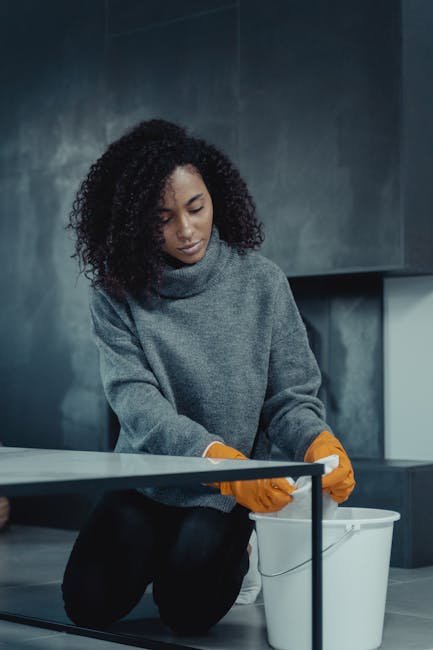
Why Cleaning Tips for Homes near Brompton Oratory, SW3 Matters
Homes near Brompton Oratory tend to sit in a setting where presentation matters. That does not mean everything has to look show-home perfect all the time. It does mean that dust on cornices, marks on skirting boards, dull carpets, or streaky mirrors can make a home feel tired faster than you'd expect. In period and premium properties, small issues stand out.
There's also a practical side. Many homes in SW3 include features that need gentle handling: natural stone, parquet, upholstered dining chairs, wool rugs, painted woodwork, brass fittings, and window dressings that hold onto dust. A generic cleaning routine can be too aggressive or too shallow. Good habits protect finishes, reduce wear, and make future deep cleans easier.
Local lifestyle matters too. If your home sees regular visitors, dinners, school runs, work-from-home days, or weekend hosting, the cleaning pattern is never static. A hallway may stay spotless while the kitchen and reception room take all the strain. That's why a room-by-room approach is more effective than trying to clean everything the same way.
Practical takeaway: in elegant London homes, the best cleaning systems are not the most complicated. They are the ones you can keep up every week without burning out.
If you're interested in how home care fits into the wider local context, you may also enjoy an insider's view of life in Notting Hill and the more general approach to service quality described in this overview of a tradition of excellence.
How Cleaning Tips for Homes near Brompton Oratory, SW3 Works
The most effective cleaning approach starts with understanding the home itself. A flat with open-plan living, for example, gathers kitchen residue and dust in the same space. A larger townhouse may need a different rhythm, with staircases, landings, and multiple bathrooms all competing for attention. The layout determines the plan.
In practice, the process works like this:
- Identify high-use areas such as hallways, kitchens, bathrooms, sofas, and carpets near entrance points.
- Choose the right frequency for each task. Some jobs need daily attention; others only need weekly or monthly care.
- Match the method to the material. What works on sealed stone is not always right for wood or velvet.
- Clean from top to bottom so dust and debris fall into areas you have not yet cleaned.
- Use maintenance cleaning to prevent build-up instead of waiting for a major reset.
That's the basic logic. It sounds simple, and to be fair, it is. The challenge is consistency. Dust is relentless in London, and soft furnishings quietly collect the evidence. If you vacuum properly, wipe correctly, and protect surfaces before damage sets in, the home stays fresher for longer.
When deeper cleaning is required, many residents look for support through broader services such as the services overview, or more targeted options like end of tenancy cleaning when moving out.
Key Benefits and Practical Advantages
Good cleaning habits do more than make a home look neat. They improve how a property feels to live in, and in premium areas that feeling matters. Here are the main advantages.
- Better presentation: Rooms feel brighter, less cluttered, and more welcoming to guests.
- Longer life for surfaces: Regular care helps carpets, curtains, sofas, and finishes stay in better condition.
- Less stress: If the home is under control, last-minute visitors or busy weekdays feel much easier to handle.
- Improved comfort: Clean air, cleaner fabrics, and organised rooms make daily life more pleasant.
- More efficient deep cleaning: A maintained home takes less time and effort to refresh fully.
There's another benefit that often gets overlooked: cleaning routines help you spot problems early. A stain, leak mark, musty smell, or worn patch is easier to deal with when you notice it quickly. That can save time and money later.
For homes with carpets and upholstered furniture, regular maintenance can be especially worthwhile. If fibres are already packed with dust or grit, even a short vacuum session becomes less effective. That is why combining everyday upkeep with occasional specialist care is often the best option.
Who This Is For and When It Makes Sense
This advice is useful for a wide range of homes and households near Brompton Oratory. It especially suits people who want a cleaner home without overcomplicating the routine.
- Busy professionals who need a streamlined cleaning plan that fits around work and travel.
- Families dealing with foot traffic, school bags, food spills, and constant movement.
- Renters and leaseholders who want to keep their home presentable and reduce wear.
- Owners of period properties who need careful cleaning for older materials and decorative details.
- Hosts and frequent entertainers whose reception rooms, dining areas, and guest bathrooms need to look ready.
It also makes sense at specific moments: before visitors arrive, after renovations, ahead of a property viewing, after a busy season of entertaining, or when you simply feel the house has become harder to manage than it should be. If you are planning a bigger refresh, professional support may be worth considering, especially for carpets, upholstery, and whole-home maintenance through house cleaning or domestic cleaning.
Step-by-Step Guidance
Use the following method to keep your home in a strong, presentable state without turning cleaning into a full-time job.
1. Start with the entry point
The hallway is often the first place to show dirt. Shoes, umbrellas, delivery traffic, and everyday debris all land there. Shake mats out regularly, vacuum edges, and wipe down hand contact points like door handles, switches, and bannisters.
2. Deal with dust before it spreads
Dust high surfaces first: shelves, picture frames, cornices, curtain rails, lampshades, and the top of wardrobes. Then move down to sideboards, tables, and skirting boards. A microfiber cloth works well because it picks up dust instead of simply moving it around.
3. Focus on the kitchen in short bursts
The kitchen rewards little and often cleaning. Clear crumbs from worktops, degrease splash zones, and clean around taps and hob controls before grime hardens. Wipe the sink thoroughly and empty bins before smells build up. If you only have five minutes, do the sink and surfaces; that alone changes the room dramatically.
4. Clean bathrooms with the right sequence
Use a logical order: mirrors first, then taps and tiles, then the basin, bath, shower, and toilet last. That way you avoid recontaminating areas you've already finished. Pay attention to limescale on fixtures and soap residue around showers, especially in homes where bathrooms are used heavily.
5. Protect soft furnishings
Vacuum sofas, armchairs, and cushions using the appropriate attachment. Rotate cushions if they are removable. Check care labels before using any product on fabric. If a sofa has started to hold onto odours or dull patches, specialist help from upholstery cleaning services can be a smarter move than experimenting at home.
6. Give carpets more than a quick pass
Vacuum slowly and overlap strokes. Fast passes miss grit embedded in pile. In homes with stairs or runners, use a smaller attachment and pay attention to corners where debris settles. For tougher marks or refreshes, local carpet cleaning support can help restore a cleaner finish.
7. Finish with the details
Do a final walk-through. Straighten cushions, fold throws, polish visible glass, and check for anything that looks out of place. These finishing touches make the whole home look more intentional, even if the clean itself was fairly simple.
Expert Tips for Better Results
Small refinements can make a surprisingly big difference. Here are the ones that tend to matter most in SW3 homes.
- Work with the natural light: Clean during daylight when possible. You will spot dust, streaks, and missed patches much more easily.
- Use two cloths instead of one: Keep a dry cloth for dusting and a lightly damp one for wiping. It prevents smearing.
- Test products first: Especially on painted wood, stone, silk, velvet, or antique finishes. A discreet patch test is a sensible habit.
- Don't over-wet surfaces: Excess moisture can damage wood and soft furnishings, and it often leaves a worse finish than the original problem.
- Clean touchpoints daily: Handles, switches, remotes, and table edges collect fingerprints quickly and affect how tidy a room feels.
- Think in zones: If you only have time for one area, prioritise the zone that affects your daily mood most, usually the kitchen or reception room.
Another useful habit is to keep a small caddy of essentials close to where you use them. If everything is stored in one cupboard upstairs, you lose time every time you need a cloth or spray. That sounds minor, but over a month it adds up.
For households that prefer lower-impact methods, it may also be worth reading about eco-friendly cleaning approaches. Many of the same principles apply: use the right product, in the right amount, on the right surface.

Common Mistakes to Avoid
Most cleaning frustration comes from a few predictable mistakes. Avoid these and your results will improve quickly.
- Using one product everywhere. A multi-surface spray is handy, but not every finish wants the same treatment.
- Cleaning in the wrong order. If you vacuum before dusting shelves, you often have to vacuum again.
- Ignoring fabric care labels. Upholstery can be damaged by overly wet or unsuitable products.
- Waiting until the buildup is obvious. Grease, dust, and limescale become much harder to remove when left too long.
- Forgetting hidden areas. Under beds, behind radiators, along skirting boards, and around handles make a bigger difference than many people expect.
- Using too much product. More cleaner does not always mean more clean. Sometimes it means residue and streaks.
One mild classic: people often scrub harder when they should be using the right method. Harder is not always better. In fact, it is frequently just more exhausting.
Tools, Resources and Recommendations
You do not need a huge kit. A sensible, compact set of tools is usually enough for a well-kept home near Brompton Oratory.
| Tool or item | Best use | Why it helps |
|---|---|---|
| Microfiber cloths | Dusting and polishing | Trap dust effectively and reduce streaks |
| Vacuum with attachments | Carpets, stairs, sofas, edges | Reaches tight areas and soft furnishings |
| Soft-bristle brush | Skirting boards, vents, trims | Lifts dust without scratching surfaces |
| Non-abrasive cleaner | Kitchen and bathroom surfaces | Removes grime without damaging finishes |
| Glass cloth | Mirrors and windows | Helps achieve a clearer, lint-free finish |
| Stain-safe spot treatment | Small carpet or upholstery marks | Useful for early intervention, before stains set |
For readers comparing support rather than doing everything alone, the most useful resource is often a service page that explains what is included, how bookings work, and what standards you can expect. The about us page is also useful if you want to understand who is handling the work and how the business positions itself. If you want practical next steps, you can also check pricing and quotes before deciding whether to book.
Readers who like broader London lifestyle context may also enjoy local advice on living in Notting Hill or a guide to Notting Hill's character and atmosphere, both of which help explain why nearby homes often need equally thoughtful upkeep.
Law, Compliance, Standards, or Best Practice
For ordinary household cleaning, there is usually no special local compliance burden in the way there might be for food businesses or commercial premises. Even so, best practice still matters. If you hire professionals, you should expect them to work safely, handle products carefully, and respect your property.
For tenants, it is sensible to keep a home in good condition in line with your tenancy agreement and take care not to cause avoidable damage. For owners and landlords, cleanliness affects presentation, wear, and the general impression of the property. If a home is being prepared for new occupants, end-of-tenancy standards are usually much stricter than everyday domestic upkeep.
Safety matters too. Cleaning products should be stored securely, ventilation should be used where needed, and electrical items should not be handled with wet hands or oversaturated cloths. If you are hiring a provider, look for clear information on safety and insurance. Useful pages such as insurance and safety and the health and safety policy can help set expectations. If you value ethical sourcing and responsible operations, the modern slavery statement is another sign of wider business transparency.
In short, the standard to aim for is simple: clean thoroughly, protect materials, avoid unnecessary risk, and choose methods that suit the property rather than forcing every room into the same routine.
Options, Methods, or Comparison Table
Not every home needs the same level of intervention. Here's a practical comparison of common approaches.
| Method | Best for | Pros | Limitations |
|---|---|---|---|
| Daily surface cleaning | Busy homes and kitchens | Fast, prevents buildup, easy to maintain | Won't tackle deep dirt or hidden dust |
| Weekly whole-home reset | Most households | Keeps the property presentable and manageable | Can still miss carpets, upholstery, and high corners |
| Room-by-room deep clean | Spring refreshes or pre-event preparation | Targets built-up grime and neglected areas | Takes more time and planning |
| Professional specialist cleaning | Carpets, sofas, end-of-tenancy, heavy soil | More thorough for difficult or delicate tasks | Usually more expensive than DIY maintenance |
The right choice often depends on time, fabric type, home size, and how visible the space is day to day. For a reception-heavy property near Brompton Oratory, a mixed approach is often ideal: regular maintenance at home, plus occasional specialist support where it counts.
Case Study or Real-World Example
Consider a typical SW3 flat with a hallway, one reception room, two bedrooms, and a compact kitchen. The owners work long hours and entertain friends most weekends. The home looks good at first glance, but after a few weeks, the carpet near the entrance starts to dull, the sofa cushions lose their shape, and bathroom shine fades faster than expected.
Instead of trying to "deep clean everything" in one exhausted Saturday session, they split the job into smaller actions:
- daily hallway mat shake-out and quick vacuum
- midweek kitchen surface reset
- weekly dusting of shelves, ledges, and skirting boards
- fortnightly upholstery vacuuming and cushion rotation
- occasional carpet and fabric care for problem areas
The result is not dramatic in a flashy way. That's the point. The flat simply feels easier to live in, and when guests arrive, it looks cared for rather than hurried. If a deeper refresh is needed before an event or after a busy season, they can then decide whether to book specialist help or continue with the regular routine.
That same pattern shows up across the area, whether someone lives in a compact apartment or a larger period home. The best cleaning systems are rarely glamorous. They are just reliably effective.
Practical Checklist
Use this checklist to keep your home on track without overthinking it.
- Vacuum the main traffic areas at least once a week.
- Dust high surfaces before lower ones.
- Wipe kitchen worktops and sink areas daily or near-daily.
- Clean mirrors, taps, and bathroom glass before limescale builds up.
- Use care labels before treating upholstery or delicate fabrics.
- Check hall mats and entry points for tracked-in dirt.
- Rotate cushions and tidy throws to reduce wear patterns.
- Use the right attachment for stairs, edges, and soft furnishings.
- Store cleaning tools together for faster access.
- Book specialist support when stains, odours, or wear become stubborn.
Get a free quote today and see how much you can save.
If you are comparing service options and want to understand the wider process, you may also find it useful to review payment and security, especially before booking online.
Conclusion
Cleaning homes near Brompton Oratory, SW3 is about doing the right things, in the right order, with enough consistency to make the results last. The properties in this area often reward a more careful approach: dust control, gentle fabric care, proper carpet maintenance, and a realistic routine that fits how you actually live.
If you keep the entryway tidy, treat surfaces according to their material, stay ahead of buildup, and bring in specialist help when the job becomes more technical, your home will stay more comfortable and easier to manage. That is the real goal: not perfection, just a home that feels calm, clean, and well looked after.
For readers who want to explore related services or build a more complete maintenance plan, the most useful next step is to review the available service pages and choose the support level that matches your home, your schedule, and your standards.