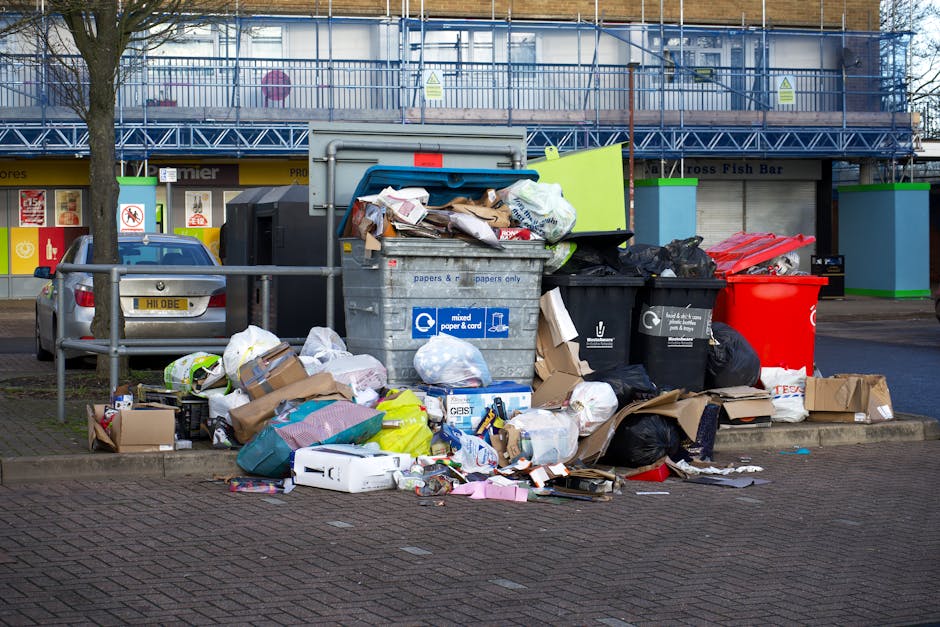
Kensington & Chelsea Council Rules on Rubbish Disposal: A Practical Guide for Residents, Landlords and Busy Households
If you live, work, or manage property in the borough, the Kensington & Chelsea Council Rules on Rubbish Disposal can feel oddly specific at first glance. One day you're sorting bins on a quiet residential street; the next, you're staring at a mattress in the hallway wondering what actually counts as accepted waste, what needs booking, and what could get you a complaint from a neighbour. Truth be told, rubbish rules only seem simple until you need them.
This guide breaks the topic down in plain English. You'll get a clear view of how rubbish disposal generally works in Kensington and Chelsea, what residents are expected to do, where bulky items and recycling fit in, and how to avoid common mistakes that can lead to fly-tipping, missed collections, or unnecessary stress. If you want the practical version, you're in the right place.
Why Kensington & Chelsea Council Rules on Rubbish Disposal Matters
In a borough like Kensington and Chelsea, waste rules are not just about tidiness. They affect street appearance, pest control, neighbour relations, loading bay access, estate management, and even how smoothly a property can be handed over after a move. If rubbish is left out at the wrong time or in the wrong way, it becomes everyone's problem very quickly.
That's especially true in denser parts of the borough where pavements are narrow, blocks are busy, and collection points are shared. A single black sack left out early can attract gulls or foxes. A broken furniture item dumped by the kerb can block a footpath. Small things spiral, as they do in London.
There's also a legal and practical side. Households, landlords, managing agents and businesses all have a duty to dispose of waste responsibly. In everyday terms, that means sorting waste properly, using the right collection method, and not assuming that "someone will pick it up later." Usually, no one does.
For renters and landlords alike, getting this right also protects the condition of the property. If you've ever dealt with an end-of-tenancy clean after a rushed move-out, you'll know how often rubbish is the final thing standing between a decent handover and a messy one. For more local property and home-care context, you may also find our guide to post-clean bulky waste removal options in Brompton useful.
How Kensington & Chelsea Council Rules on Rubbish Disposal Works
The general principle is straightforward: different types of waste need different handling. Everyday household rubbish, dry recycling, garden waste, bulky items, electrical waste, and hazardous materials are not all treated the same way. The council's rules are designed to keep those streams separated so they can be collected or processed safely.
In practice, most residents need to think about four layers:
- What the item is - food waste, recycling, general waste, bulky waste, or specialist waste.
- Where it should go - bin, collection service, recycling point, or a separate disposal route.
- When it can be left out - collection timing matters, especially on busy streets.
- How it is presented - bags tied, lids closed, items bundled, and no loose mess spilling onto the pavement.
That last bit sounds obvious, but it is where people slip up. An overflowing bin or loose recycling is more likely to be rejected or scattered. If you're unsure, it's always smarter to pause and check than to leave things out and hope for the best.
Another practical point: flat living changes everything. In mansion blocks, converted houses, and estates, rubbish arrangements often depend on building-specific rules as well as council expectations. A concierge service, bin store, or estate manager may have their own schedule. So yes, there can be more than one rulebook in play. Fun, right?
For local home-maintenance reading that often overlaps with clearance and post-clean organisation, this West Brompton station area quick-clean checklist is a handy companion piece when you're trying to sort a property fast.
Key Benefits and Practical Advantages
Following the rules properly does more than keep you on the right side of the council. It saves time, avoids unnecessary collections, and reduces the chance of complaints from neighbours or building managers.
Here are the biggest practical advantages:
- Cleaner communal areas - fewer stray bags, less odour, and a more presentable street or courtyard.
- Lower pest risk - sealed waste and timely disposal discourage vermin and birds.
- Fewer disputes - especially in shared buildings where rubbish can become a surprisingly emotional topic.
- Smoother move-ins and move-outs - useful for tenants, landlords, and letting agents.
- Better recycling habits - sorting correctly improves the overall waste stream and reduces contamination.
- Less last-minute panic - no one enjoys discovering, at 8:15 on a Friday morning, that the sofa needs special disposal.
There's also an indirect benefit: people tend to treat clean streets and tidy bin stores with more care. That's not a scientific claim, just a fairly normal bit of human behaviour. If a place looks managed, people usually behave a little better in it.
Expert summary: The most reliable approach is simple: separate waste properly, use approved disposal routes, and treat communal spaces like shared space, not overflow space. That alone prevents a lot of avoidable problems.
Who This Is For and When It Makes Sense
These rules matter to a wide mix of people, and not only to those with overflowing bins. You may need them if you are:
- a homeowner managing day-to-day household waste;
- a tenant trying to leave a flat spotless at the end of a tenancy;
- a landlord preparing a property between lets;
- a managing agent handling bin-store issues for a block;
- a business owner dealing with office waste and packaging;
- someone clearing out furniture after a refurbishment or a family move;
- a cleaner or property professional who needs a compliant disposal plan.
The biggest trigger moments are pretty predictable: after a renovation, after a spring clean, after Christmas, before a move, and after an event. If you've hosted guests or a celebration, rubbish builds up in strange little pockets. The kitchen looks fine, then you open a cupboard and find six bottles, wrapping paper, and two broken boxes. It happens.
For readers dealing with larger household transitions, it may help to review what to expect from same-day emergency cleaners in Brompton, especially when disposal and cleaning need to happen on the same day.
There are also moments when using a professional cleaning or clearance service makes sense instead of trying to solve it alone. That is especially true if time is tight, access is awkward, or the property has shared entrances that need to stay presentable. Sometimes the best decision is the boring one: simplify it.
Step-by-Step Guidance
If you want a low-stress way to deal with rubbish in Kensington and Chelsea, use this sequence. It works for everyday household waste and for bigger clear-outs too.
- Identify the waste type. Start by separating general rubbish, recycling, bulky items, electricals, textiles, and anything hazardous. Do not bundle everything together and hope it sorts itself out.
- Check whether it can go in the regular bin. If it fits the normal household stream and is allowed there, bag or containerise it properly. Keep lids closed where possible.
- Prepare recycling carefully. Clean, dry, and sorted recycling is much easier to manage. Contaminated recycling can create problems, so empty containers where appropriate.
- Handle bulky waste separately. Furniture, mattresses, large appliances and similar items usually need a different route. Don't leave them beside a bin store just because they are "almost manageable."
- Plan timing around collection. Put waste out in line with the expected schedule rather than too early. Early placement can look untidy and may invite damage or fly-tipping.
- Use approved disposal options for special items. For items that need specialist handling, choose a proper collection or drop-off route rather than a workaround.
- Confirm the area is clear after collection. This is the bit people forget. Bags torn open on the pavement become tomorrow's problem, not today's success.
A useful practical habit is to take a two-minute walk-through before collection day. Kitchen, hallway, storage cupboard, utility area, balcony if you have one. Rubbish often hides in the places we don't look at twice.
For a broader view of how property upkeep and local routines fit together, the Brompton Road flat cleaning guide for SW3 homes is a good example of how small details stack up into a calmer property handover.
Expert Tips for Better Results
Here's the part that saves people the most grief: small habits make a very big difference.
- Keep a spare set of bin liners. You'll use them faster than you think.
- Flatten boxes before recycling. This reduces clutter and makes communal storage much easier to manage.
- Separate "to keep" from "to go" early. Mixing decisions and disposal is where clutter gets emotional.
- Label items in shared households. In a flatshare, uncertainty creates arguments over who left what. Nobody enjoys that on a Tuesday night.
- Do bulky waste before the final clean. Cleaning around a sofa that is still there is just unnecessary work.
- Use bags and boxes that close properly. Loose packaging and half-open sacks are a magnet for trouble.
One small but useful thing: if you are dealing with a flat, terrace, or converted house, think about access first. Can a collection team reach the item without blocking the stairwell or foyer? Can the item be moved without scratching bannisters or walls? You will notice that the best plans are the ones that protect the property as well as the pavement.
And yes, if you're clearing out a lot at once, pace yourself. People often try to do a full disposal sprint in one evening and then wonder why the hallway looks like a mild disaster area. Been there, seen that.
Common Mistakes to Avoid
Most rubbish disposal problems in Kensington and Chelsea are not dramatic. They are ordinary mistakes repeated in ordinary ways.
- Leaving waste out too early and making the street look untidy.
- Mixing bulky waste with household rubbish instead of separating it properly.
- Overfilling sacks or bins so lids cannot close or bags split open.
- Ignoring building rules in estates or mansion blocks.
- Dumping items near bin stores and assuming someone else will deal with them.
- Forgetting about hidden waste like loft clutter, under-bed storage, or balcony items.
- Using the wrong route for electricals or hazardous waste because it feels quicker.
The biggest mistake, though, is treating rubbish as an afterthought. If disposal is left until the end of a clean-out or move, it becomes the most stressful part of the job. If you handle it early, the rest becomes much more manageable.
For example, if you are arranging a major home refresh, the order matters: declutter, remove bulky waste, deep clean, then bring everything back in. If you reverse that, you end up cleaning around things you should have already removed. Not ideal, obviously.
Tools, Resources and Recommendations
You do not need a huge amount of equipment to follow rubbish disposal rules well, but a few simple tools help a lot:
- Heavy-duty bin bags for secure containment.
- Reusable sorting boxes for recycling, clutter, or move-day items.
- Gloves for anything sharp, dusty, or awkward.
- Marker pens or labels for flatshare or managed-property sorting.
- Basic tape and string for flattening and bundling packaging.
- A simple disposal checklist before collection day or before a cleaner arrives.
If your rubbish situation is part of a broader property refresh, it may help to read around related service planning. For instance, the services overview can be useful if you are trying to line up cleaning, clearing and property upkeep in the right order. For pricing planning, pricing and quotes is a practical place to compare expectations before you commit.
For landlords and managing agents, it is also sensible to keep internal instructions documented. Even a short note on bin day, bulky waste handling, and who is responsible for communal areas can prevent back-and-forth later. It sounds dull. It is dull. But it works.
Law, Compliance, Standards, or Best Practice
Rubbish disposal is one of those everyday issues that still sits inside a wider compliance picture. In the UK, householders, landlords and businesses are expected to dispose of waste responsibly and to avoid behaviours that amount to fly-tipping or improper storage. The specific operational details can vary by waste type and property setup, so it is wise to treat council instructions, lease terms, and building rules seriously.
Best practice usually means:
- sorting waste into the correct stream;
- using authorised collection methods;
- keeping communal areas clear;
- preventing contamination of recycling;
- handling bulky or specialist waste separately;
- following any building or estate rules in addition to borough expectations.
If you are responsible for a property, especially in a shared building, it is sensible to keep records of how waste arrangements are communicated. That can help if there is a dispute later. Nothing elaborate, just clear notes and a bit of common sense.
Where the situation is complex, such as after refurbishment work or during a full move-out, the safest assumption is that anything unusual needs a checked disposal route rather than a guess. When in doubt, pause and verify. That little pause can save a lot of hassle.
Options, Methods, or Comparison Table
Choosing the right disposal method depends on the type and volume of waste. Here is a simple comparison to help you decide.
| Method | Best for | Pros | Watch out for |
|---|---|---|---|
| Regular household bin collection | Everyday rubbish and standard household waste | Simple, familiar, low effort | Overfilling, mixed waste, putting items out too early |
| Recycling separation | Clean cardboard, paper, plastics and similar accepted recyclables | Reduces general waste and supports proper sorting | Contamination from food, liquids, or non-recyclable items |
| Bulky waste arrangement | Furniture, mattresses, large appliances, awkward items | Better for larger items, avoids pavement clutter | Needs planning, timing, and the right collection route |
| Professional clearance support | Moves, end-of-tenancy work, major declutters, tight deadlines | Fast, coordinated, less lifting and less confusion | Choose carefully and confirm exactly what is included |
In many real-world situations, the best answer is a mix of methods rather than just one. For example, a tenant move-out might use regular bin disposal for day-to-day waste, bulky waste handling for larger items, and a final clear-down before a professional clean. That combination is usually what makes the process feel controlled instead of chaotic.
Case Study or Real-World Example
Imagine a two-bedroom flat in the borough at the end of a tenancy. The occupants have cleared most of their belongings, but there is still a sofa, a broken coffee table, several bags of mixed rubbish, and a pile of cardboard from furniture deliveries. The flat looks mostly fine at first glance. Then you step into the hallway and see the final layer of mess that always seems to appear at the end.
The smart approach would be:
- sort the cardboard and clean recyclables first;
- separate general rubbish into secure bags;
- arrange proper disposal for the sofa and table rather than leaving them by the bin area;
- check the building's rules about where items can be placed and when;
- schedule cleaning after the disposal, not before it;
- do a final sweep of cupboards, balcony, and under furniture.
What usually goes wrong in cases like this? People clean too early, forget bulky items, and leave final waste in the corridor while "waiting for a convenient time." There is rarely a convenient time. There is only the time you create by planning ahead.
That is why disposal and cleaning should be thought of as one process. If you are managing a tenancy change or a larger household clear-out, this sequence tends to produce the calmest result. Not glamorous. Very effective.
Practical Checklist
Use this checklist before your next rubbish collection or disposal day:
- Have I identified every waste type correctly?
- Is anything bulky, electrical, sharp, or specialist?
- Are all bags tied securely and not overfilled?
- Is recyclable material clean and properly separated?
- Do I know the correct collection timing?
- Have I checked any building or estate rules?
- Are communal areas clear and unobstructed?
- Have I removed hidden waste from cupboards, shelves, and storage spaces?
- Do I need help with larger items or a same-day clear-out?
- Have I done one last walk-through before leaving items outside?
If you can tick off all ten, you're in good shape. If not, no drama. Just adjust the plan before the waste goes out. That's the whole game, really.
Get a free quote today and see how much you can save.
Conclusion
Kensington & Chelsea Council Rules on Rubbish Disposal are easiest to manage when you treat them as part of normal property care rather than a one-off nuisance. Once you know how waste types differ, how communal spaces should be used, and when bulky items need a separate route, the whole process becomes much less stressful.
For residents, landlords and property managers, the real win is consistency. Keep things sorted, keep things timed properly, and keep shared spaces clear. That's how you avoid most of the little problems that grow into bigger ones. Simple, yes. But not always easy, especially in a busy borough where life moves quickly.
If you are planning a move, a clear-out, or a property refresh, take a calm, methodical approach and give rubbish disposal the attention it deserves. Your future self will be grateful. Honestly, so will your hallway.
Frequently Asked Questions
What are the Kensington & Chelsea Council Rules on Rubbish Disposal in simple terms?
They are the local rules that tell residents and businesses how to sort, store, and present waste for collection. In plain English: put the right waste in the right place, at the right time, and do not leave a mess behind.
Can I leave rubbish outside my property whenever I want?
No, that is usually a bad idea. Waste should be placed out in line with the collection arrangement and building rules. Leaving it out early can create clutter, attract pests, and annoy neighbours.
What counts as bulky waste?
Bulky waste usually means large items that do not belong in a standard household bin, such as furniture, mattresses, or large appliances. These items normally need a separate disposal route.
Do I need to separate recycling from general rubbish?
Yes, in most cases you should. Recycling works best when it is sorted cleanly and kept free from food waste and other contamination. A little care here makes a big difference.
What should landlords do about rubbish after a tenancy ends?
Landlords should ensure the property is left clear and that any remaining waste is removed properly. In practice, that often means checking cupboards, outdoor spaces, and communal areas, not just the obvious rooms.
Is it okay to leave items near a bin store if there is no room inside?
Usually no. Items left beside bin stores can block access, look untidy, and may be treated as fly-tipping or improper disposal. If the bin area is full, the better answer is to arrange a proper collection.
What is the best way to handle rubbish before a deep clean?
Clear the rubbish first, especially bulky or awkward items. Cleaning around waste wastes time and makes the final result less effective. Disposal first, clean second is generally the cleaner route.
Can professional cleaners help with rubbish disposal?
Sometimes, yes, depending on the service and what is included. It is sensible to confirm exactly what the provider handles before booking so there is no misunderstanding on the day.
What are the most common rubbish mistakes in shared flats?
The biggest ones are mixed waste, overfilled bins, leaving bags in corridors, and not agreeing who is responsible for what. Shared living works much better when everyone knows the disposal routine.
How do I avoid a complaint from neighbours or building management?
Keep waste contained, follow collection times, avoid blocking shared areas, and remove bulky items promptly. A tidy bin area is one of those small things that quietly prevents a lot of friction.
When should I arrange help rather than deal with rubbish myself?
If you have bulky items, a tight deadline, awkward access, or a large amount of mixed waste, getting help makes sense. The turning point is usually when the job stops feeling like tidy-up work and starts feeling like a logistical puzzle.
What should I do if I am unsure whether something can go in the bin?
Pause and check before putting it out. That's the safest habit. If something looks unusual, heavy, sharp, or potentially hazardous, it should be treated separately until you know the right route.
Where does this fit with broader property upkeep?
Rubbish disposal is part of the same routine as cleaning, organising, and maintaining a property. If you want to see how disposal fits into a wider local service journey, the clear guide to cleaners pricing in Brompton SW3 can help you think through planning and budgeting in a more joined-up way.
Is there a right order for move-out waste and cleaning?
Yes, and it usually starts with decluttering, then bulky waste removal, then cleaning, and finally a last check of the property. It sounds almost too neat, but in real life it prevents the kind of overlap that causes delays and extra effort.