Health and Safety Policy for Cleaners W10
 Health and safety for cleaners in W10 is at the heart of every responsible cleaning operation. A clear policy helps protect staff, supervisors, clients, and anyone who may be affected by day-to-day cleaning tasks. Whether work takes place in offices, communal areas, or private premises, the aim is always the same: reduce risk, prevent injury, and maintain a safe working environment.
This policy sets out the principles that guide safe cleaning practice. It covers the use of equipment, handling of substances, personal protective equipment, reporting concerns, and the responsibilities of everyone involved. By following a structured approach, a cleaning team in W10 can carry out tasks efficiently while keeping health and safety a priority.
Cleaners W10 must be aware that cleaning work can involve slips, trips, manual handling, exposure to chemicals, and repeated movements. These hazards are manageable when risks are identified in advance and suitable controls are in place. A strong safety culture helps create confidence and consistency across all cleaning assignments.
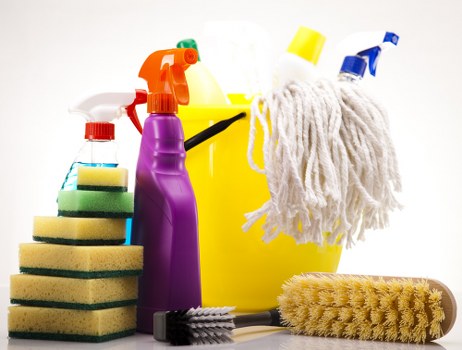 Risk assessment is the foundation of safe cleaning. Before starting work, cleaners should consider the environment, the surfaces being treated, the equipment required, and any special conditions such as wet floors, fragile items, or restricted access. Any new or changing risks must be assessed promptly so that control measures stay effective.
Every cleaner should use the right equipment for the task and check that it is in safe working order. Cables, extension leads, vacuums, mops, buckets, and manual tools should be inspected regularly. Faulty or damaged items should be removed from use immediately. In a professional W10 cleaning service, maintaining equipment is not optional; it is a key part of preventing accidents.
Training and supervision are essential. Cleaners should understand safe methods for lifting, carrying, dilution, and waste disposal. They should also know how to respond if a spill, injury, or unsafe condition occurs. New staff should receive induction training, and all staff should refresh their knowledge when procedures change or new equipment is introduced.
 The safe use of cleaning chemicals deserves special attention. Products must be stored correctly, clearly labelled, and used exactly as instructed. Mixing chemicals can create dangerous fumes or reactions, so cleaners must never combine products unless the method is approved and understood. Good ventilation, careful dilution, and the use of suitable gloves and eye protection all support safer cleaner safety practice.
Personal protective equipment should be selected according to the task. Gloves, aprons, masks, and protective footwear may be needed depending on the work being done. PPE must fit properly, be maintained in good condition, and be replaced when worn or damaged. It should support safe working, not replace sensible work methods or proper training.
Manual handling is another important area within the health and safety policy for cleaners. Lifting heavy waste bags, moving equipment, or carrying supplies can cause strain if done incorrectly. Cleaners should use approved techniques, avoid overloading containers, and request assistance for awkward or heavy items. Where possible, loads should be reduced and routes kept clear to minimise effort and reduce the chance of injury.
Slips and trips are among the most common risks in cleaning work. Wet floors, trailing cables, clutter, and poor lighting can all contribute to accidents. To control these hazards, cleaners should place warning signs where needed, keep walkways tidy, and clean in a logical order. Cleaning safety depends on awareness, communication, and a willingness to stop work until the area is safe.
Fire safety and emergency readiness are also included in the policy. Cleaners should know the location of exits, alarms, and assembly points, and they must never block escape routes with equipment or supplies. If an emergency occurs, work should stop immediately and staff should follow the site’s emergency procedures. A calm, prepared response is a vital part of safe cleaning operations.
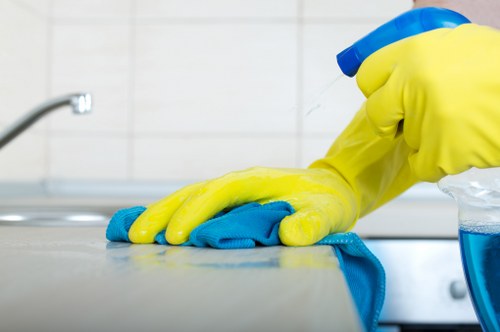 Environmental responsibility can be aligned with safety when products are used carefully and waste is managed properly. Reusable materials should be cleaned and stored hygienically, while hazardous waste must be separated and handled according to the correct procedures. Efficient use of water, chemicals, and power supports both safety and sustainability in W10 cleaners work.
Incident reporting must be prompt and accurate. Any accident, near miss, damaged equipment, or unsafe condition should be reported as soon as possible so action can be taken. Reporting is not about blame; it is about learning and preventing recurrence. A strong reporting culture helps improve the overall performance of a cleaning company in W10.
Supervisors and managers should review working practices regularly to make sure controls remain suitable. This may include checking training records, observing work methods, reviewing equipment condition, and updating assessments when needed. Policies are most effective when they are treated as living documents that reflect real working conditions.
Everyone has a responsibility for health and safety. Managers must provide safe systems of work, cleaners must follow them, and clients or site representatives should support safe access and clear communication. When everyone contributes, the workplace becomes safer and more reliable for all involved.
 In summary, this health and safety policy for cleaners promotes a practical, careful, and professional approach to daily cleaning tasks. By focusing on risk control, proper training, good housekeeping, and the correct use of equipment and products, cleaners in W10 can carry out their duties with confidence and care. Safe working protects people, improves service quality, and supports long-term consistency.